Kalaupapa, site of Catholic saint history, reopens to visitors
by Jack Kiyonaga, National Catholic Reporter, Dec 10, 2025
At the bottom of some of the tallest sea cliffs in the world, on the remote north shore of Molokai, Hawaii, a tongue of land splits the darkened ocean.
This is Kalaupapa. For the last five years, this historical space has been closed to the public . But now, visitors are welcomed back to learn about the searing, continuous legacy of the Hansen's disease settlement on the peninsula and the Catholic saints who dedicated years of their lives in service to those exiled there.

Grave markers are pictured in a file photo in Kalaupapa on Molokai, Hawaii, where Hansen's disease patients quarantined there for life were cared for by Sts. Damien de Veuster and Marianne Cope. An estimated 8,000 people are buried there. (OSV News/Courtesy of Hawaii Catholic Herald)
For more than 150 years, the Kalaupapa peninsula has been home to the sanctified and suffering alike, a prison in paradise. The peninsula was designated in 1865 by Hawaiian King Kamehameha V as a settlement where patients living with Hansen's disease, commonly known as leprosy, were quarantined.
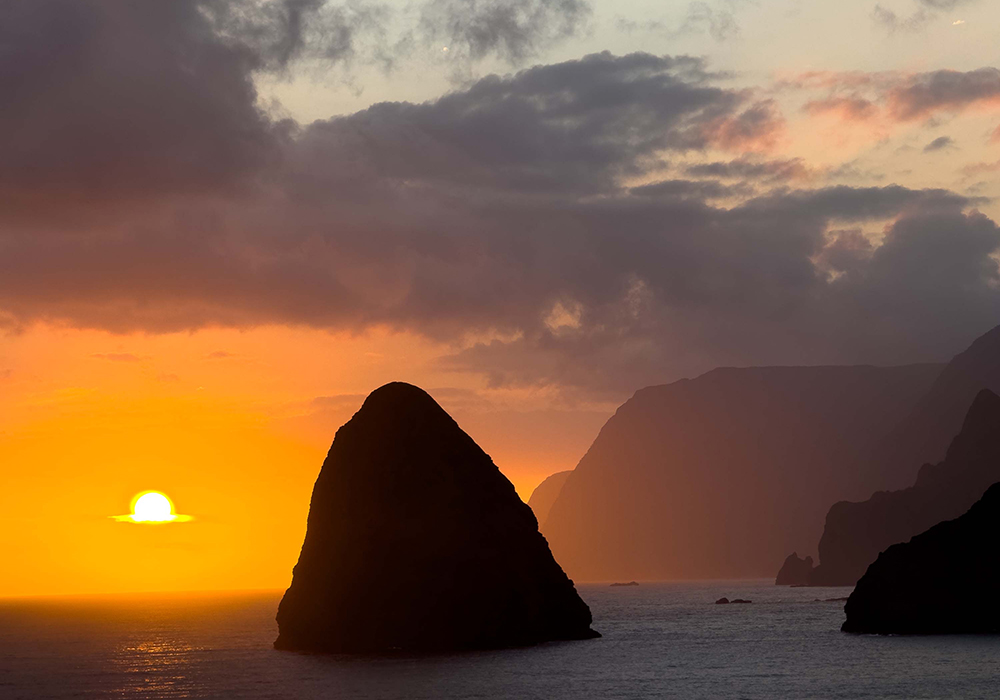
Okala Island sits off the eastern side of the Kalaupapa peninsula and is prominently visible from the site of the original Hansen’s disease settlement in Kalawao. (National Park Service/Dewitt Jones)
Once sentenced to Kalaupapa, or Kalawao which is the original settlement on the east side of the peninsula, there was essentially no return. Over 8,000 people would be sent to the 5-square-mile peninsula until the segregation law was repealed in 1969. And while the story of Kalaupapa is acknowledged worldwide, it is less commonly known that the settlement is still active today. There are five remaining patient-residents who call Kalaupapa their home. One of these patients, Meli Watanuki, is the founder of the newly launched Kalaupapa Saints Tour, which is operated by the Oahu-based Seawind Tours & Travel company.
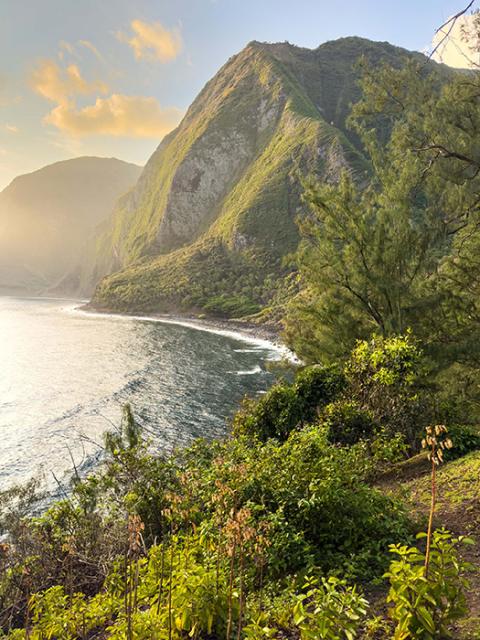
Molokai's northern coastline is punctuated by sea cliffs. (National Park Service/Dewitt Jones)
Two years ago, Watanuki phoned Randy King, president of Seawind Tours, to see if they could partner to reestablish the public tours. Kalaupapa became a national park in 1980, but has been closed to the public since the COVID-19 pandemic in 2020. Over the next couple of years, King and Watanuki jumped through various regulatory hoops and coordinated shipping equipment to Kalaupapa on the annual summer barge, all in the effort "to be able to share the story," explains King.
"That was [Watanuki's] whole purpose," he said. "She wanted to make sure the story was shared."
Watanuki was the last patient to arrive in Kalaupapa, moving there in 1969 of her own volition after her Hansen's disease diagnosis. She said she "wanted to create a tour that not only shares the history, but also honors the people who lived it. This is my home, my story and my gift to future generations."
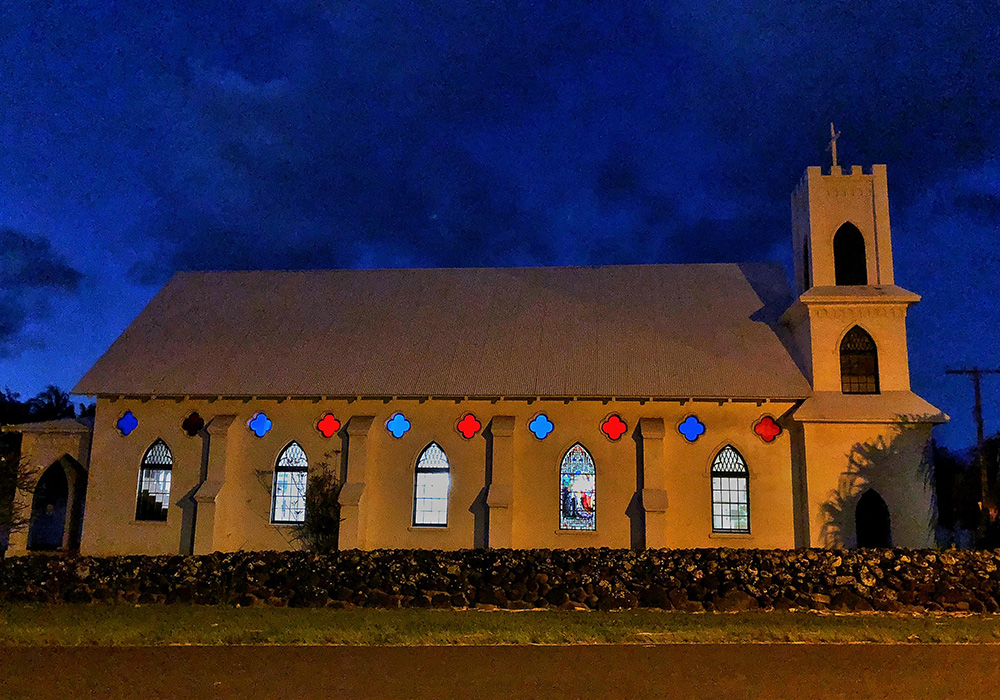
St. Francis Catholic Church in Kalaupapa still holds daily Mass for its small congregation. (National Park Service/Dewitt Jones)
The tour was finally ready this September, launching its inaugural visit on Sept. 24 with overwhelming interest. It sold out immediately, said King, crashing the website several times. Currently, there is a 600-person waiting list for 2026 tour dates, which are yet to be finalized. The tour departs via a nine-seater plane from Honolulu and visits various sites in both Kalaupapa and the Kalawao original settlement — focusing on the history of the patients, workers and the Native Hawaiian community who had inhabited the land for 900 years previously.
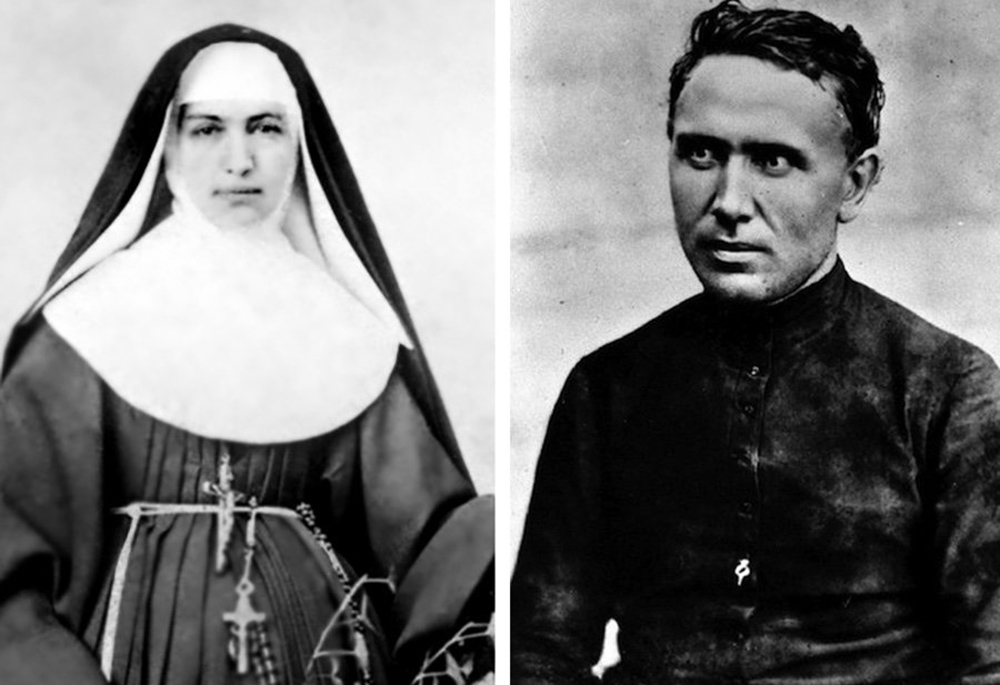
A collage features St. Marianne Cope and St. Damien de Veuster, who served the isolated community of leprosy patients in Molokai, the island just northwest of Maui. (OSV News/Wikimedia Commons, CC 4.0)
One of the major appeals of the tour is the chance to walk in the footsteps of prominent Catholic saints. Kalaupapa is home to two saints, St. Damien de Veuster and St. Marianne Cope, and Servant of God Joseph Dutton is on the path to sainthood.
The arrival of St. Damien de Veuster at Kalaupapa in 1873 marked a turning point for the settlement and its residents. De Veuster, canonized in 2009, spent 16 years building houses, churches and medical facilities, digging graves, saying Mass, caring for those with Hansen's disease and arguing with the Hawaii Board of Health for more resources before dying of Hansen's disease himself in 1889. After discovering his illness, de Veuster alerted his congregation with the telling phrase: "We, Lepers."
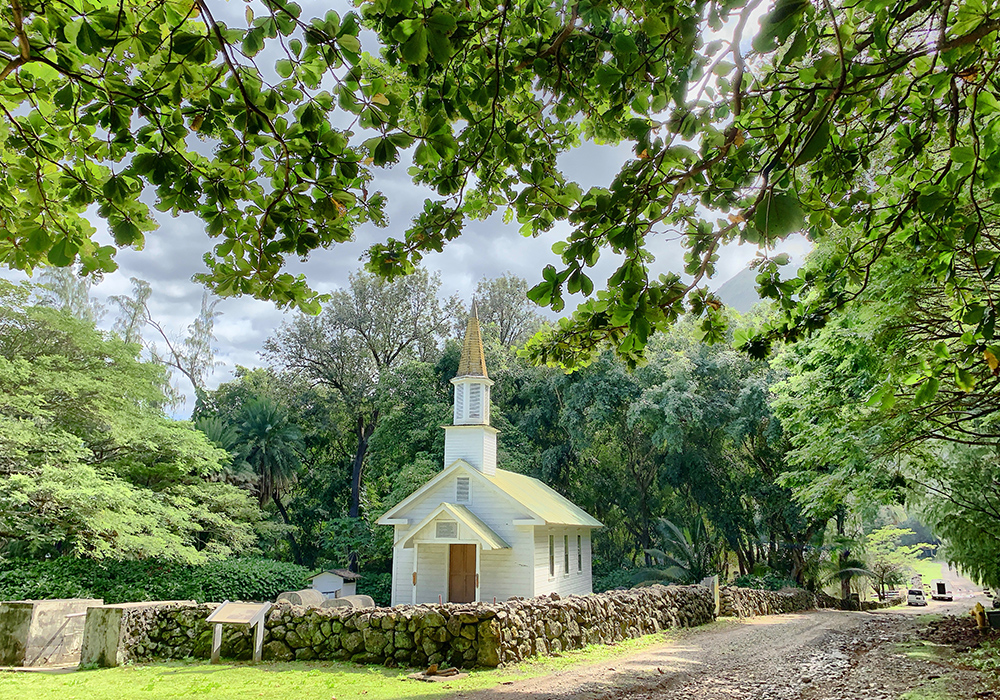
The Siloama Church in Kalawao dates back to 1871. (National Park Service/Dewitt Jones)
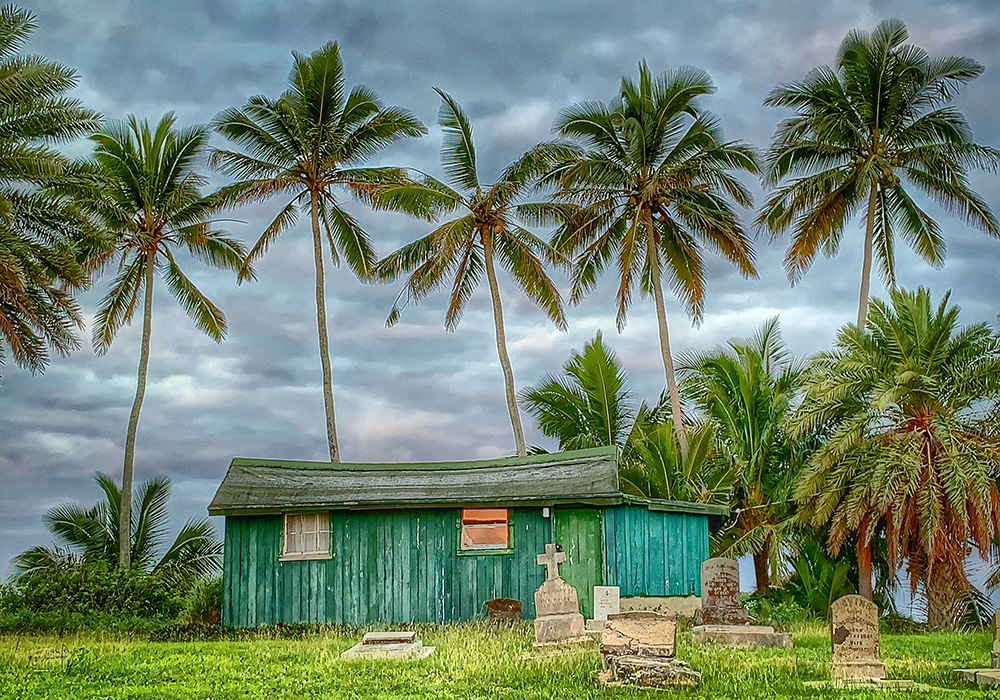
A beachside gravesite in Kalaupapa is pictured. While more than 8,000 people were exiled to Kalaupapa, only about 2,000 marked graves survive today. (National Park Service/Dewitt Jones)
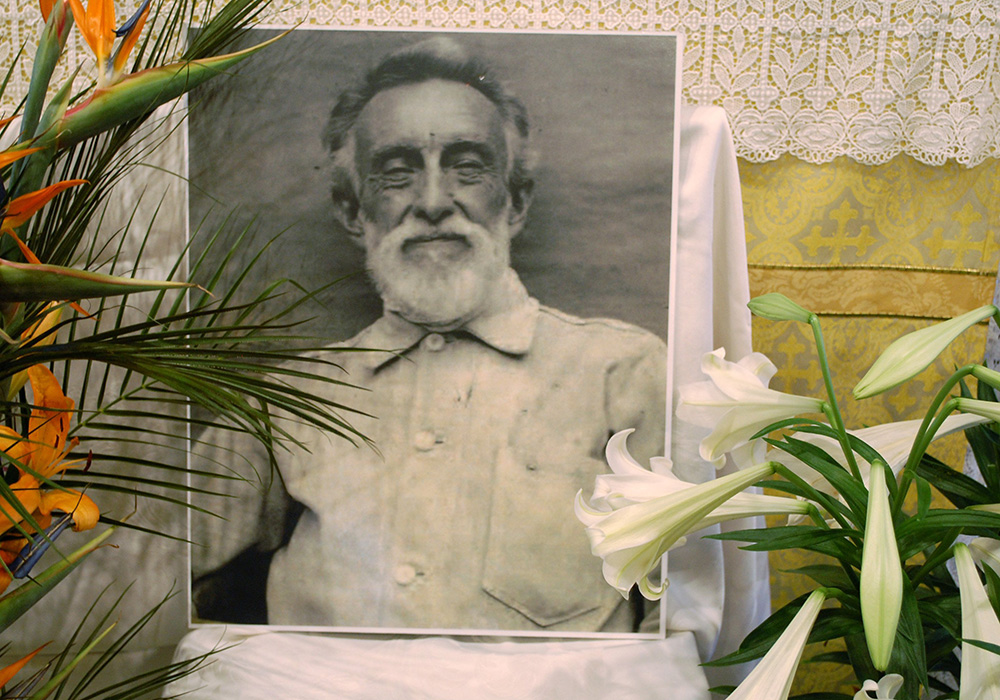
Joseph Dutton, sainthood candidate, is depicted in a picture at the altar of Blessed Sacrament Church in Stowe, Vermont, April 24, 2022. (OSV News/Vermont/Cori Fugere Urban)
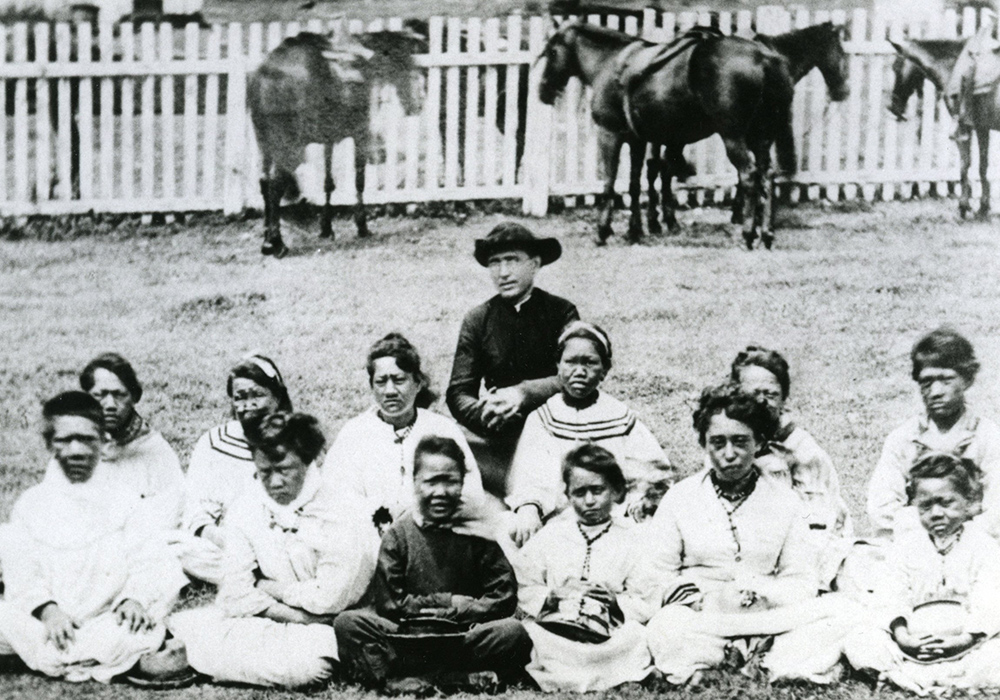
St. Damien de Veuster is pictured with young people at the settlement for those with Hansen's disease, or leprosy, on the Hawaiian island of Molokai. (CNS)
Following de Veuster were the likes of St. Marianne Cope and Joseph Dutton. Cope, a Sister of St. Francis, canonized in 2012, dedicated herself in particular to the service of the children living in exile. Her decades of work with them centered on demonstrating profound love through creating beauty: sewing new dresses, and planting fruit trees and flowers.
Joseph Dutton was cut from a slightly different cloth. The Civil War veteran, who may have had post-traumatic stress disorder and alcoholism, came to Kalaupapa in 1886 to atone for a self-described "degenerate decade." Working alongside de Veuster, Dutton paid particular care to the boys in the Baldwin Home in Kalawao, serving them faithfully for 44 years. His case for sainthood was put forward to the Vatican by the Diocese of Honolulu in 2024.
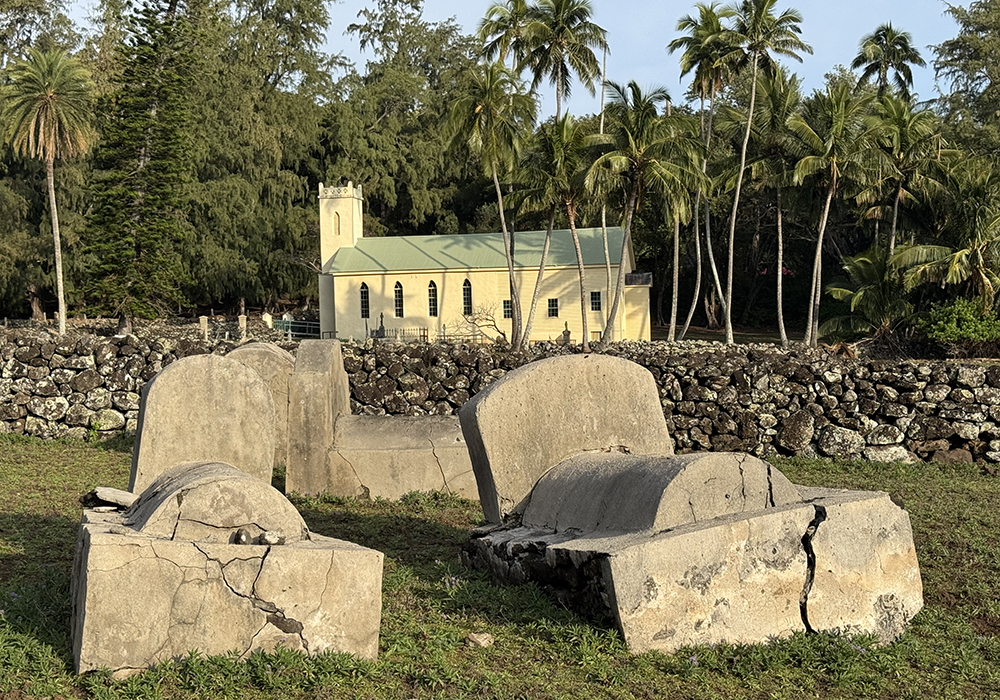
Graves are pictured at the Moku Puakala cemetery in Kalawao. In the background is the St. Philomena Catholic Church, St. Damien de Veuster’s main church which he helped to construct and expand, and the burial site of de Veuster. (National Park Service/Dewitt Jones)
Fr. Pat Killilea, pastor of St. Francis Church in Kalaupapa and a member of the Congregation of Sacred Hearts of Jesus and Mary, has inherited the legacy of these Catholic servants to the settlement while caring for the spiritual needs of the community for the past 13 years. Morning Mass is a small but dedicated crowd, usually comprising the two resident Sisters of St. Francis, Watanuki and a couple of park workers. Killilea lives in a small home with many cats and likes the quiet solitude and "certain closeness" with de Veuster afforded by a life in Kalaupapa.
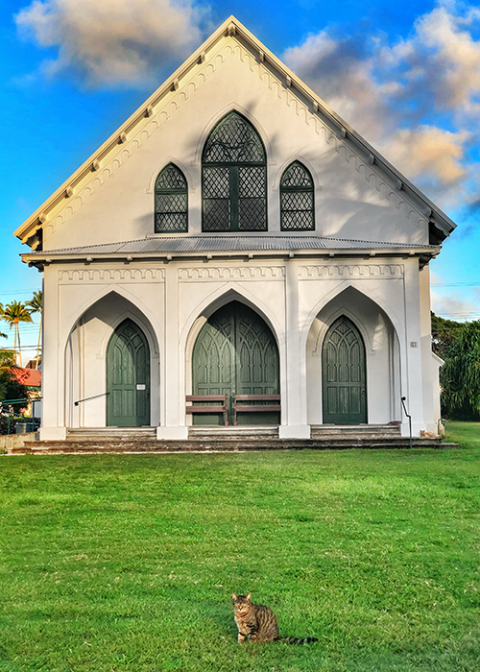
One of Fr. Pat Killilea's cats poses outside St. Francis Catholic Church in Kalaupapa. (National Park Service/Dewitt Jones)
With the cessation of tours in 2020, much of the burden of sharing and perpetuating the legacy of Kalaupapa had fallen on the Catholic Church. While no public tours were allowed, residents of the peninsula were permitted to sponsor small, private groups to visit. Killilea was particularly active in this regard, shuttling eager guests across the deserted streets in his minivan.
And while public tours have restarted, the future of the settlement is still somewhat uncertain. When the last patient dies, the Hawaii State Department of Health will pull out of Kalaupapa, leaving the full administration of the site to the National Park Service. With many different landowners and stakeholders on the peninsula, Kalaupapa could look somewhat different from its present iteration.
King explained that Seawind Tours will only remain active while Watanuki is able to continue ownership.
"When she's done, we're done," said King.
But for now, the settlement is available for the public to come and witness the ongoing story, the living history of Kalaupapa.
---30---
Used with permission from NCRonline.org, a service of the National Catholic Reporter Publishing Co.